On ETEA SMASHER, you will discover the complete roadmap of the Data Science Foundation in 2026, which is very easy and valuable for beginners. For the strong Data Science foundation in 2026, Python, R, Statistics, and Machine Learning are essentials to start your career in data analytics and AI.
Table of Contents
Introduction
The Data Science Foundation in 2026 course provides a powerful, easy and structured learning path for complete beginners who want to start a career in data science, AI, or analytics, which is in high demand in data-related jobs.
This foundation course for data science takes you from the basics of Python for data visualization to advanced topics in statistics and machine learning. This will prepare you with the essential skills needed for the next generation of data professionals. By following this roadmap, you can confidently create and build a successful future in data science in the upcoming years if you follow it.
Why the Data Science Foundation in 2026 Matters
In 2026, industries will rely and focus more on data driven decisions than text form of data which is very difficult to understand for everyone. Whether it’s business analytics, artificial intelligence, or cloud computing, data science is at the heart of innovation or you can say that without data science these filed are nothing. This course helps you to understand that how to collect, process, analyze, and visualize data making you career ready for this rapidly growing field.
Step By Step Modules
This foundation course is divided into 7 comprehensive modules, each designed to build your data science skills step by step.
Module 1: Data Science Essentials
The first module is very important because if you did not know the domain of data science then it will be crucial to o forward in any skills or course, so in short you should know the basic skills. First cover these steps:
This module gives you a clear understanding of the core concepts which define the actual data science domain and how the real world projects are structured and deal in this field.
Module 2: Data Engineering Foundation
This Module will define and explain the logical structure of data or flow for execution of structure data. These are the important terminologies which are need to know for Data Science Foundation which are given below:
Data Engineering Concepts and Ecosystems
Importance of Data Pipelines
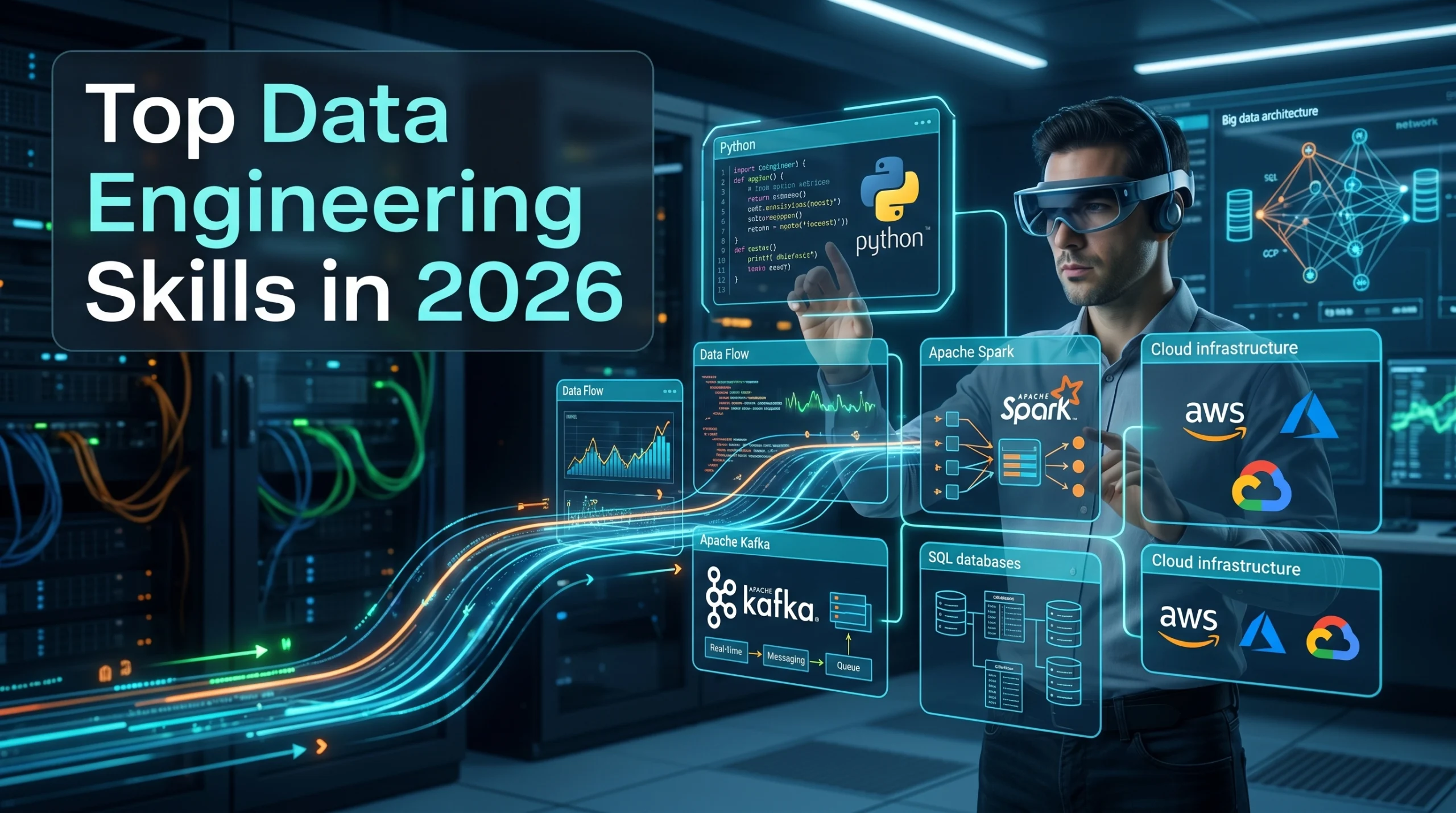
Core Engineering Tools and Practices
Here you will learn how data is stored, processed, and prepared before it can be analysed or convert into insights. This step builds your technical foundation for data science.
Module 3: Python for Data Science
Among many skills one of the skill is Python skill which is necessary for Data Science foundation in 2026:
Python Data Types and Flow Control
Functions and Operators
Structured vs. Unstructured Data
Introduction to NumPy and Pandas
Data Frame and Array Operations
Python is considered the backbone of data science, and this module ensures you master it from the ground up.
Module 4: Visualization with Python
To cover story telling you should know these important skills which are given below:
Matplotlib and Visualization Packages
Components of a Plot
Line, Bar, Pie, and Scatter Charts
Advanced Data Visualizations
Visualizing of data effectively helps to turn insights into actionable decisions a critical skill for every data scientist.
Module 5: R Language Essentials
This is also a core concept which is basically deal with the mathematical means statistical data but you should cover these:
R Installation and Setup
RStudio Environment
R Data Structures and Control Statements
By learning R, you expand your analytical toolkit, it will enabling stronger statistical computing and data modelling.
Module 6: Statistics for Data Science
This module deals with these points:
Descriptive & Inferential Statistics
Measures of Central Tendency
Data Variability and Normal Distribution
Hypothesis Testing & P-Value
Correlation, Regression, and Skewness
Statistics is the heart of data interpretation in data science this module helps you to develop the logic behind every data driven conclusion.
Module 7: Machine Learning Introduction
The last module in the Data Science foundation are these:
Machine Learning Fundamentals
Supervised and Unsupervised Learning
Clustering and Regression Models
Classification Algorithms
Model Evaluation and Accuracy
Finally this module introduces you to the world of AI and machine learning, which is crucial and most important because these areas are setting you for advanced courses in 2026 and beyond.
Tools & Platforms Covered
This course uses top industry tools to give learners hands-on experience:
These tools are widely used in data science fields for analytics, data modeling, and visualization etc.
Career Opportunities
After completing the Data Science Foundation, you can confidently pursue and take benefits from these roles such as:
Data Analyst
Junior Data Scientist
Machine Learning Assistant
Business Intelligence Associate
Research Data Engineer
Conclusion
To clear and make a strong grip on the Data Science Foundation is necessary for anyone who wants to build a strong career in data science. With the right mix of theory, tools, and real-world application, this course equips and prepares you to understand, analyze, and create data-driven solutions.
What is the Data Science Foundation?
It is beginner friendly and basic for data science that covers Python, R, Statistics, and Machine Learning, which are essentials to start your data science career.
Who should learn the Data Science Foundation course?
Anyone interested in data analytics, AI, or programming, so there is no prior experience required to learn data science if you have completed the Python Foundation, you will easily learn it.
What tools are learnt in the Data Science Foundation course?
Pandas, NumPy, Matplotlib, and R are the main tools which you can learn in the Data Science Foundation.
How long does the data science foundation course take to complete?
It depends on the learner; it may take 6 months or one month, based on the consistency
Is Python mandatory before starting data science?
Yes, you should have completed and complete grip on Python Foundation course first.
Does this course include machine learning?
Yes, the final module in the data science foundation introduces the machine learning algorithms like regression and classification, etc.
What makes the Data Science Foundation in 2026 unique?
It integrates both Python and R, which is very demanding and provides a dual language foundation for real-world data science projects.
Can I get a job after completing the Data Science foundation course?
Yes, you will be ready for entry level roles such as Data Analyst or Machine Learning Assistant after covering the data science foundation.
What kind of projects are included after completing the data science foundation course?
Real world projects involving data cleaning, analysis, visualization, and predictive modeling are included in the data science.
How is this course updated for 2026?
This course included the modern tools and trends, emphasizing AI-ready skills, cloud-based data environments, and modern visualization techniques which make it unique among the other courses.