
Table of Contents
Overview:
Technology and data are growing and expanding faster than normally. In 2026, becoming an Advanced Data Science expert is one of the best decisions and smartest careers which you can make by following this roadmap.
As you can see that from predictive modeling and cloud computing to AI-driven data pipelines, data scientists are shaping the world of the modern era, like how businesses, governments, and technology think and grow, and make a brand or identity.
Steps for Advanced Data Science in 2026:
Let’s explore the actual roadmap of Advanced Data Science in 2026 in the form of modules, skills, and tools, which define the easiest way to become an Advanced Data Science professional in 2026.

Module 1: Time Series Forecasting (ARIMA)
First of all, we will understand that in this digital era, dealing with time-based data is one of the most essential skills for a data scientist in 2026 and also beyond.
In this module, the learners will explore:
- What is Time Series? Understanding trends, seasonality, and randomness based on available data.
- ARIMA and Moving Average Models: We use this for forecasting stock prices, weather, or business performance.
- Autocorrelation and AIC: Measuring accuracy and identifying the best models.
When mastering ARIMA modeling in Python, the students can create accurate predictive models used in industries like finance and e-commerce etc, which is helpful in predicting.
Module 2: Feature Engineering
Feature Selection, ML Model Optimization, Predictive Features
Feature engineering is a technique or skill which is used to transform raw data into meaningful inputs that improve model accuracy.
Key concepts include:
- Transforming predictors
- Backward elimination and feature importance
- Applying feature selection using machine learning modeling techniques
The Feature Engineering is one of the skills in the data science field which separates beginner data analysts from true machine learning experts.
Module 3: Sentiment Analysis
Text Analytics, NLTK, Python Sentiment Analysis
Data science in 2026 is not just about dealing with the numbers; it also deals and understanding human emotion based on data in the form of text.
For sentiment analysis, we are using Python libraries such as TextBlob and NLTK, and you can analyze sentiments from tweets, product reviews, or social media conversations, and many more platforms.
Real-world use: Many Companies use these techniques to analyze emotions, like Twitter Live Sentiment Analysis, which tracks brand reputation and customer satisfaction in real time.
Module 4: Regular Expressions with Python
Regex in Data Science, Python Regex for Text Extraction
Regular Expressions (Regex) are a vital part of advanced data science for data cleaning and text mining, which extracts the text data from a database.
In this, you should learn that how to extract and preprocess the text data efficiently and effectively, which is a crucial step before training NLP models or running analysis.
Module 5: ML Model Deployment with Flask
Flask for Machine Learning, Model Deployment in Python
Knowing and understanding how to train models is not enough; actually, practically deploying them is key.
This module covers:
- Introduction to Flask Framework
- URL Routing and Web API creation
- Deploying ML models as live web applications
Flask bridges is the gap between data science and web development, which allowing real-time AI integration.
Module 6: Advanced Data Analysis with Excel
Excel for Data Science, Monte Carlo Simulation, Goal Seek Analysis
The best tool for a data scientist is MS Excel. Ms Excel remains and will remain a powerful analytical tool, even in the era of AI.
Students learn advanced concepts like:
- Pivot Tables and Regression
- VLOOKUP, INDIRECT, and Goal Seek Analysis
- Monte Carlo Simulation for prediction
Combining MS Excel with data science tools strengthens your skills and gives professionals a hybrid skillset highly valued in 2026.
Module 7: AWS Cloud for Data Science
AWS SageMaker, Cloud Data Science Tools, Amazon Machine Learning
After looking at this digital age, I understand that the future of data science is cloud-based, so as a good and best data scientist, this should be learn.
This module teaches:
- AWS EC2 and S3 for scalable computing
- RDS and IAM for database and access management
- AWS SageMaker for building, training, and deploying ML models
By learning and dealing with cloud integration, you can handle massive datasets and automate workflows like a pro and master of data.
Module 8: Azure for Data Science
Microsoft Azure ML Studio, Cloud Machine Learning
Every step and module is best, but here is the best tool you will cover to become an advanced data scientist the tool is Microsoft’s Azure Machine Learning Studio, which is another powerful cloud platform.
Students learn how to:
- Build and deploy ML models in Azure
- Integrate Azure ML with Python pipelines
- Analyze enterprise-level data securely and efficiently
Essential Tools and Platforms for Advanced Data Science
Python, Flask, AWS, SageMaker, Azure ML, NLTK, Excel for ML
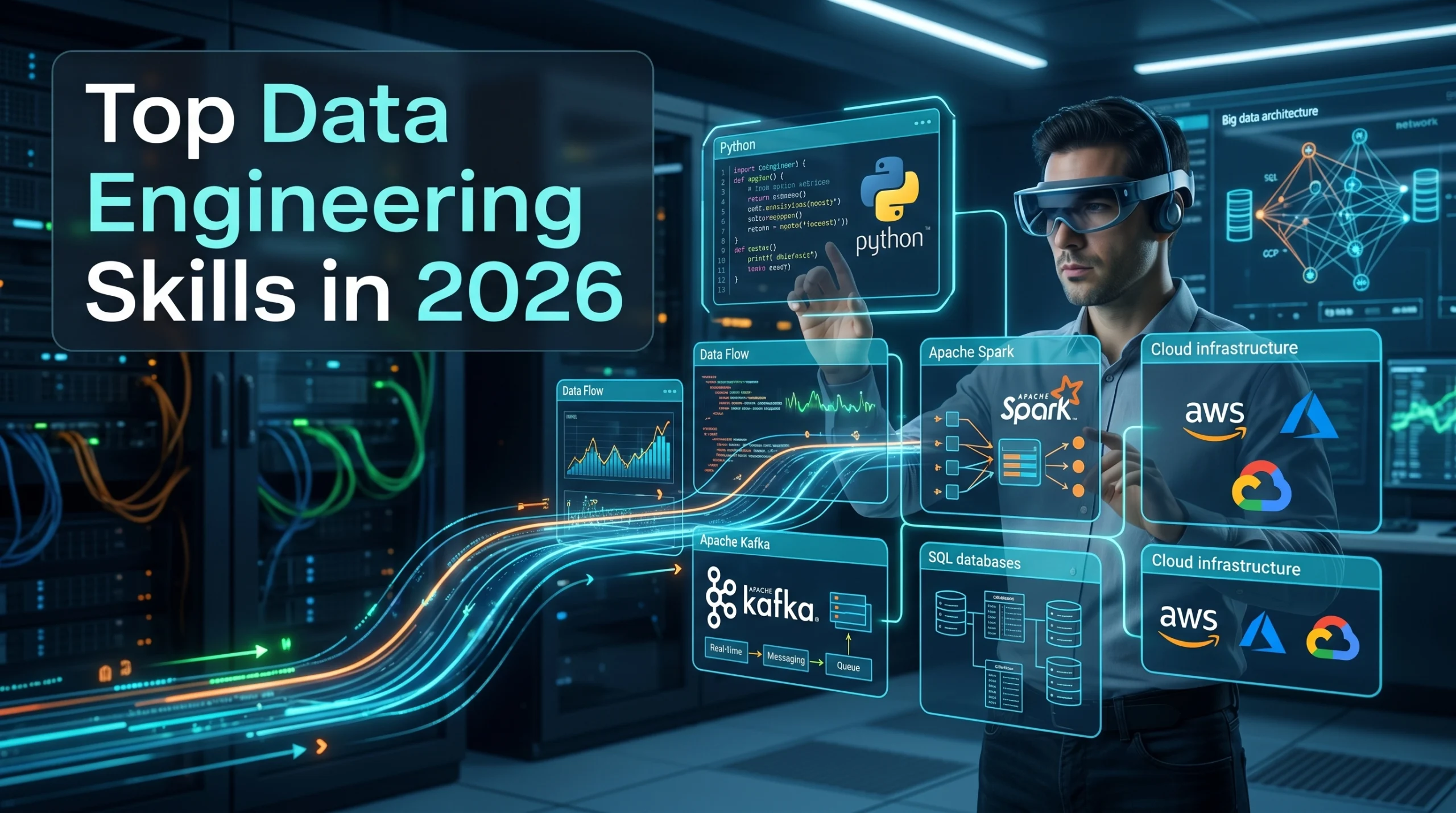
Modern data scientists’ backbone is relying on a combination of these tools, which are including:
- Python: The foundation of every ML and AI project, in short, the heart of Data Science is Python.
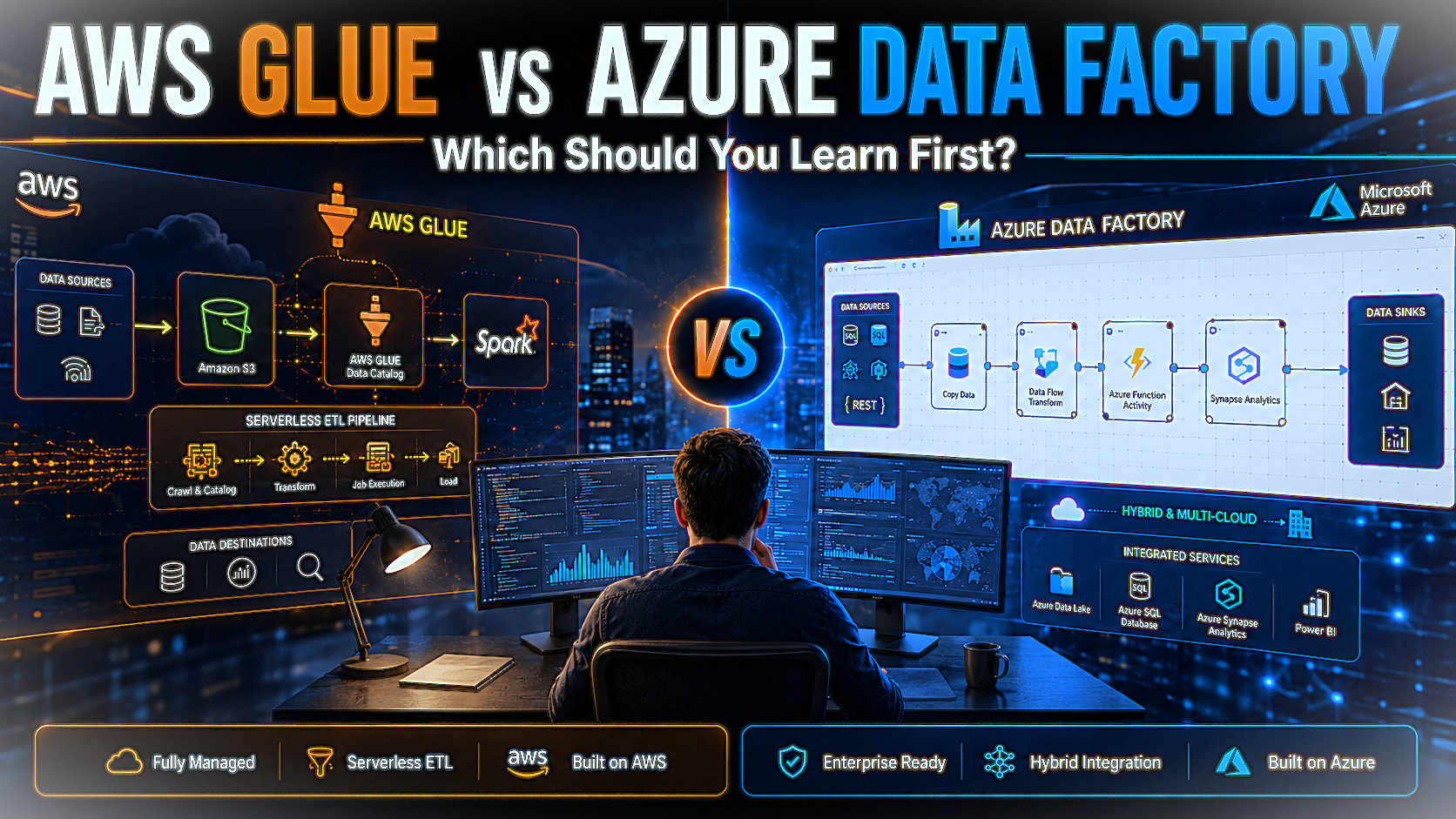
- AWS and Azure: Cloud platforms for scalable data management
- Flask: For deploying machine learning models
- NLTK: For natural language processing and text analytics
- Excel: For structured and exploratory data analysis based on tables
Why Advanced Data Science Matters in 2026
Future of Data Science, Career in Data Science 2026
In 2026 and in the future, every industry and company will depend on AI-driven insights.
From finance to healthcare, every and each companies needs professionals who can predict outcomes, interpret data, and build models that learn from experience to grow easily in the future.
Learning Advanced Data Science today means future-proofing your career for tomorrow.
Conclusion:
Your Next Step Toward Becoming an Advanced Data Scientist
Start from now. Build a strong foundation in Python, Machine Learning, and Cloud Platforms, which are the backbones for data fields, whether it may be AI, machine learning, and data analysis, etc
By following this roadmap, you will be ready to take on the challenges of tomorrow’s data-driven world.